
Farmers are the key to achieving food security and prosperity.
In Sub-Saharan Africa, most people living on $1 a day are farmers. One Acre Fund supplies farmers with the farm supplies and training they need to grow more food and earn more money. What we do
Delivering prosperity
Millions of farmers choose to work with One Acre Fund to feed their families and improve their lives. Our impact
-
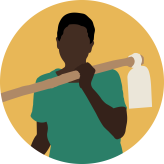
We serve
families who earn a living from small, rain-fed farms in rural areas
-

We work
in the 9 countries in Sub-Saharan Africa that produce 80% of the continent's food
-
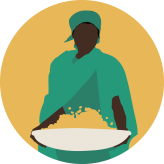
We supply
quality seed and agricultural services to make farms more productive
-

We deliver
larger harvests and 45% more farm income on the same plot of land


Invest in small-scale farms in Sub-Saharan Africa.
Farmers choose to work with One Acre Fund to improve their farms and their lives. Your donation helps One Acre Fund deliver services to a farm family for a full year.


"Farming and the salon business have given me the means to provide for my daughter and educate her."

2023 Annual Report
In 2023, we continued to adapt to better serve farmers, prioritizing investments in climate resilience and creating new pathways to food and income security. In our latest annual report, we underline the transformative power of agricultural innovation on rural livelihoods and economies, and in ending global poverty. Learn more
In focus

2023 marked a second year of 50% growth in Burundi as we expanded to meet high demand for our program.
More Than A Tree
We do tree planting differently. Our initiative to plant 1 billion trees is led by smallholder farmers and every seedling planted is an opportunity for them and their families to prosper.

1 farmer, 61,000 tree seedlings
Meet Yeshiwas Ayehu, an innovative farmer from Ethiopia whose commitment to growing and distributing trees in his community is changing their lives and the landscape around them.


Explore Our Impact: Insights and Data Library
By sharing our data, successes, and learnings, we offer a transparent view into how we measure and achieve our impact. Dive into comprehensive reports and publications that reflect our commitment to rigorous measurement and continuous improvement. Discover more insights
Features & stories
Learn more about the people we serve, the challenges they face and see our work in action.
1 farmer, 61,000 tree seedlings
Meet Yeshiwas Ayehu, an innovative farmer from Ethiopia whose commitment to growing and distributing trees in his community is changing their lives and the landscape around them.
Friday Ndashe: Planting trees and growing futures in Zambia
For Friday Ndashe, who manages a tree nursery close to Kabwe in Zambia, running a tree nursery is a “joyful endeavor” with many benefits - for him and his local community.

Gabriel Alkali: Building a family legacy, financial stability and environmental impact
For many farmers in sub-Saharan Africa, planting trees through our farmer-led tree planting initiative has had many, varied and obvious benefits.

More Than A Tree: How trees are changing Esther’s future
On most days, you will find Esther Wangari tending to her farm, located deep in the heart of Kirinyaga County, in Kenya’s central highlands. Bordering her maize and beans fields, Esther’s latest passion – tree planting – thrives. For this Kenyan smallholder farmer, her new venture is more than just about planting trees; it is also about her livelihood and securing her family’s future.
